

Tales of Xadia
All of Xadia,
at your fingertips
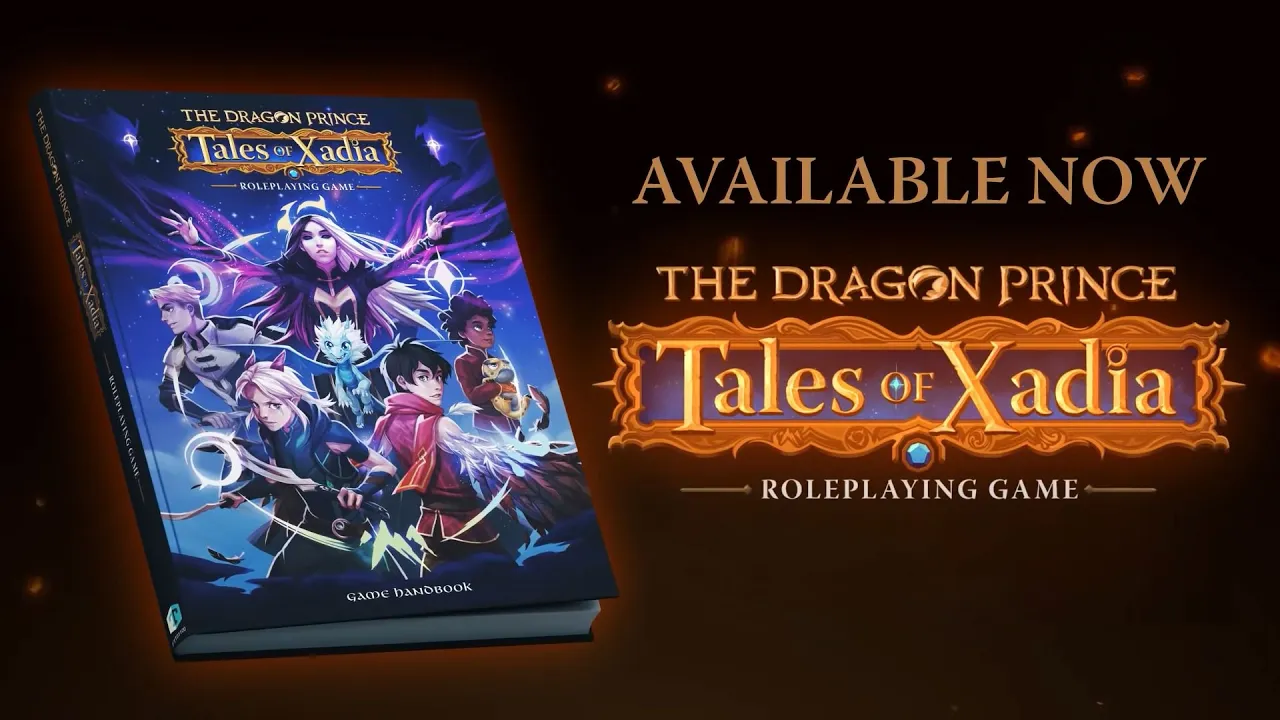
As Franchise Lead at Wonderstorm, I helped bring The Dragon Prince beyond the screen through Tales of Xadia, a tabletop roleplaying game that expanded the world of Xadia into a new, playable experience.
I worked across story, lore, game development, product, digital experiences, marketing, and community, connecting the creative vision of the franchise to the people and partners bringing it to life.
Role
FRANCHISE LEAD
TEAM
Wonderstorm
Year
2020-2023
Type
TTRPG · Digital EXPERIENCE · Publishing · Franchise

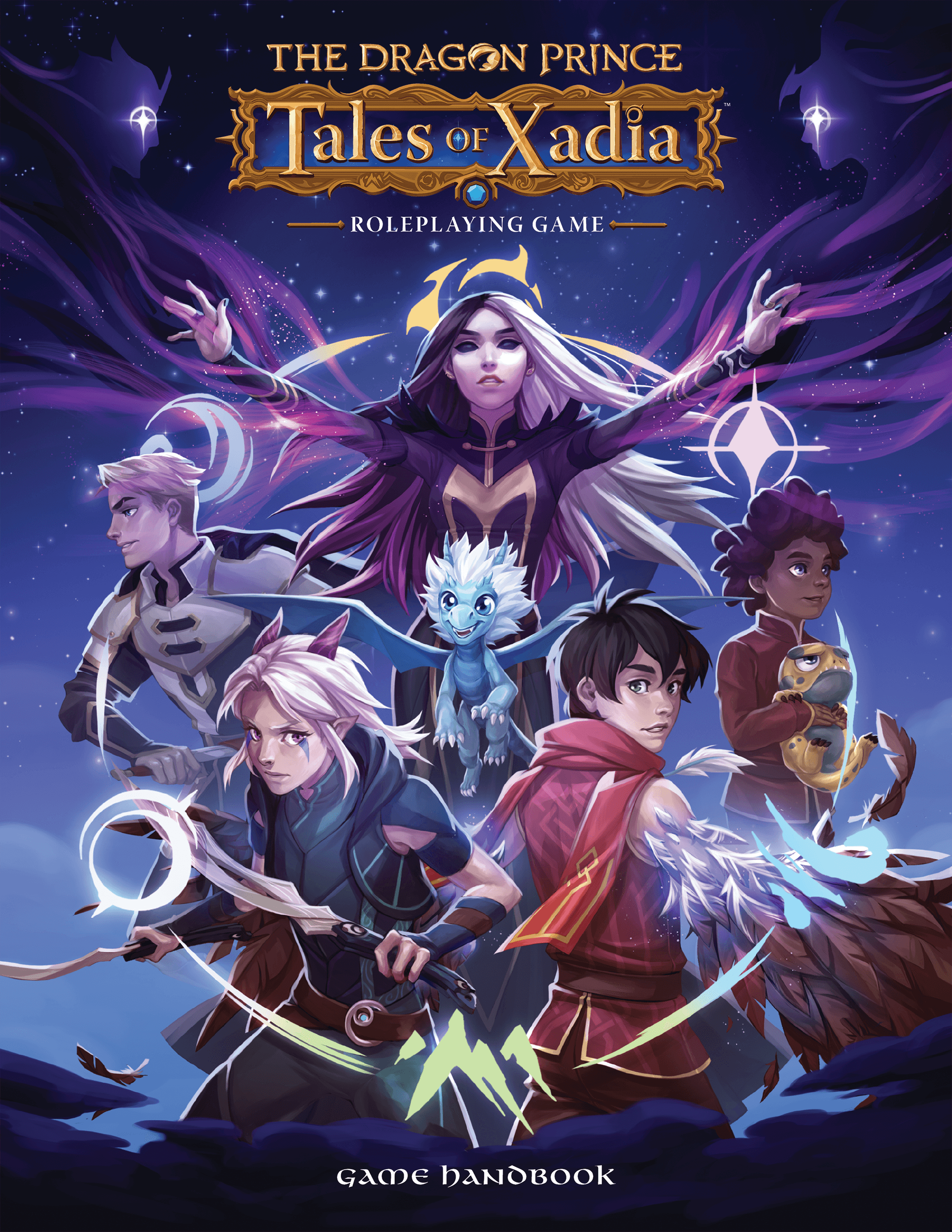
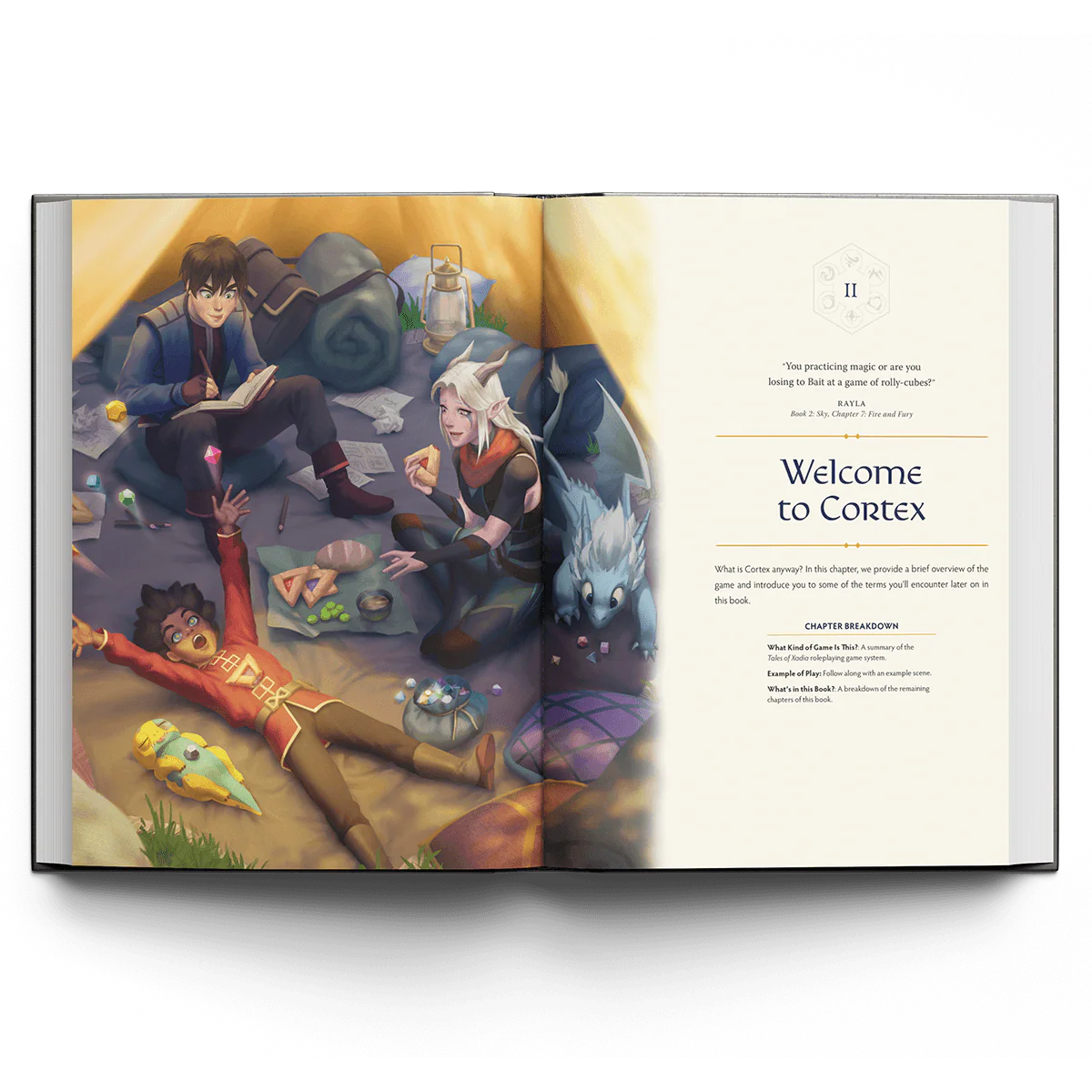
Bringing Xadia to the tabletop meant turning its stories, characters, and cultures into systems players could actually use.
I worked alongside our game designers, writers, artists, and production partners at Cortex, Fandom and DireWolf Games to shape the experience from early development through the finished game book—balancing the needs of a functional TTRPG with the creative expectations of The Dragon Prince.
Our goal wasn't to recreate the show at the table. It was to give players the tools to tell in depth stories that could only happen in their own version of Xadia.
Click to see
more pages
THE FOUNDATION
From lore to play.
Turning a world into something players could inhabit.
THE OPPORTUNITY
The Dragon Prince already had a rich world, beloved characters, and years of lore. The challenge was translating that foundation into a roleplaying experience that felt authentically Xadian while giving players the freedom to create stories of their own.
Tales of Xadia needed to do more than adapt the series. It needed to give fans a new way to play, explore, and contribute to the world.
Building the game while the story was still being written.
THE CHALLENGE
Tales of Xadia was being developed alongside Season 4 of The Dragon Prince, creating a constantly moving creative target. As the writers' room developed new story beats, characters, and lore, I had to stay close to those conversations and continuously assess what they meant for the game.
That meant balancing two needs at once: keeping the project moving forward while making sure the game remained aligned with an evolving canon. I helped identify where new developments required changes, where we had room to move independently, and where the game could help expand the world beyond what the series could show.

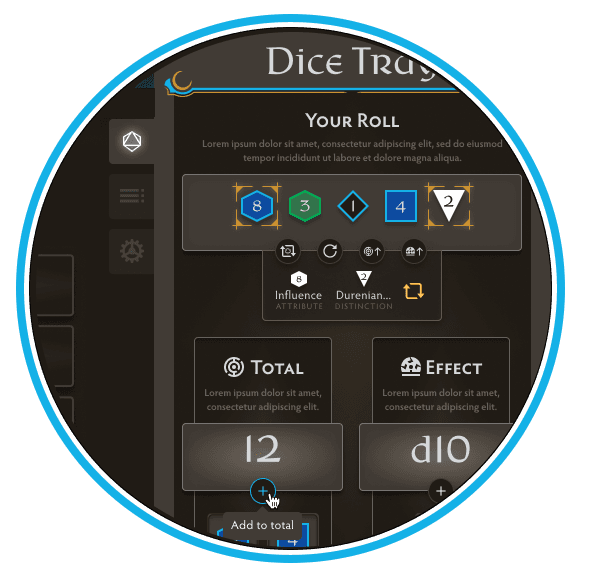
The physical game was only one part of the experience. Tales of Xadia also introduced a unique digital toolkit designed to make playing easier, more flexible, and more accessible for groups wherever they were.
I worked with Dire Wolf Games across the creative and product experience to help ensure the digital extension felt like a natural part of the Tales of Xadia world, not simply a utility layered on top of it.
Xadia at your fingertips.
EXTENDING THE TABLETOP


If we're expanding Xadia, we have to know Xadia.
BUILDING THE WORLD
Tales of Xadia gave us an opportunity to explore parts of the world that the series could only hint at. That meant deepening existing lore, developing cultures and environments, and creating new characters, creatures, and stories that could live within the established canon.
I worked closely with the show's writing team to research, develop, and refine these ideas, identifying gaps and holding writing room brainstorms to fill them. Essentially, what was already established in The Dragon Prince as a foundation helped us find room for new stories to emerge.


“Elven and human cultures across Xadia come from a wide variety of inspiration.
The human kingdoms probably have the most direct real-world influence, but even then it’s never singular or intended as a direct parallel. For Evenere, for example, we looked at cultures around the globe that had close connections to marshes, swamps, and rivers, such as the Cajun Bayou, the Amazon, the Malaysian wetlands, etc. We always try to cast a very wide net when seeking inspiration, then we use that insight as a springboard for discussion and creativity.
For elves, we often look at their primal source and consider the traits and preferences it would naturally influence within the culture rather than looking at anything specific in the real-world (though that’s not to say it doesn’t come up as a source for inspiration, too). For example, while working on Skywing elves, we knew that their culture was more individualistic and nomadic, valuing freedom above all else. How Skywings live, dress, and express themselves is built based on that insight.
When building these cultures out further or expanding on them—like for Tales of Xadia—we consider any already established lore and use that as guardrails for further research and brainstorming!" - Emily Marzonie
One detail at a time.
BEHIND THE SCENES
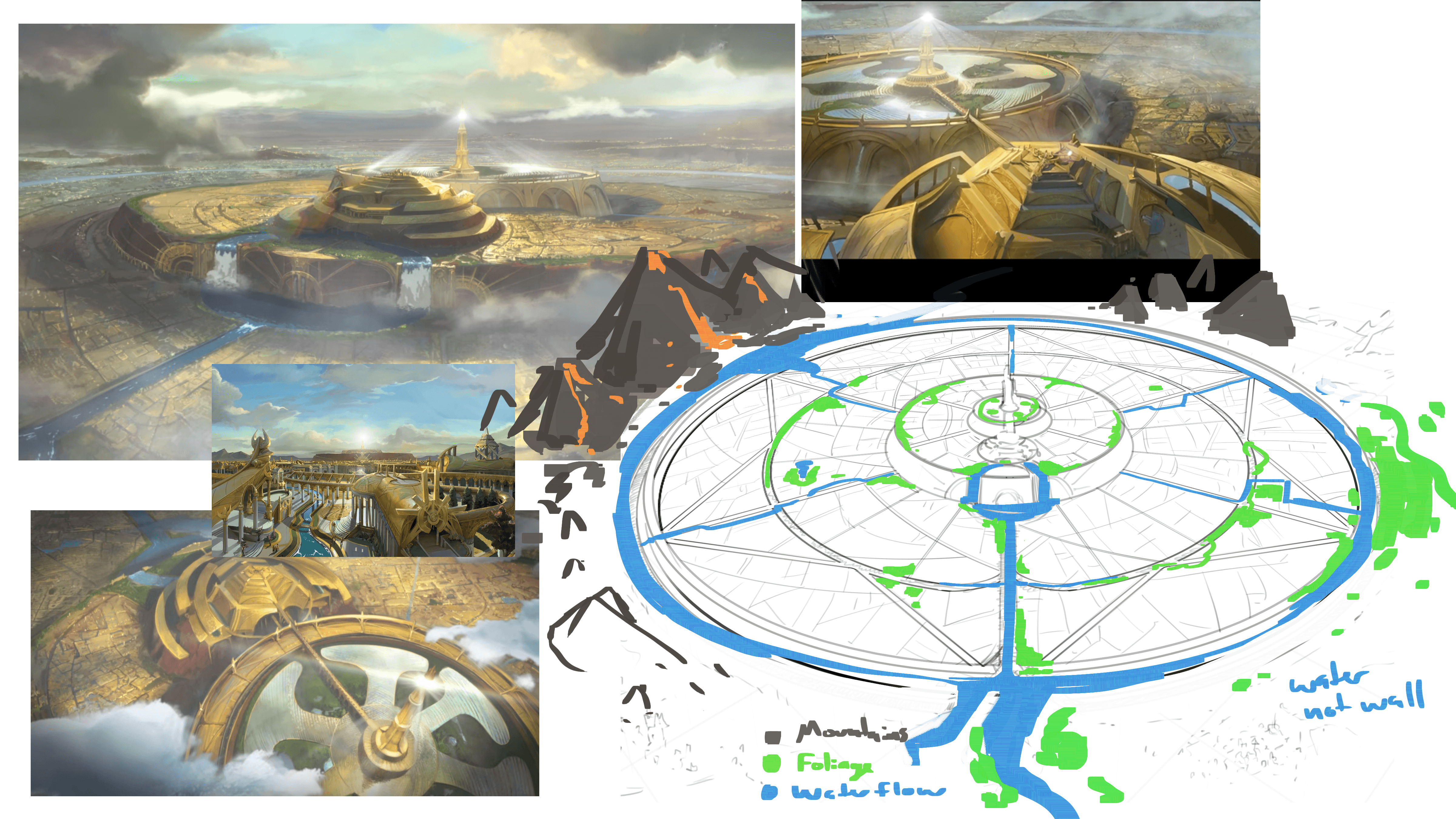
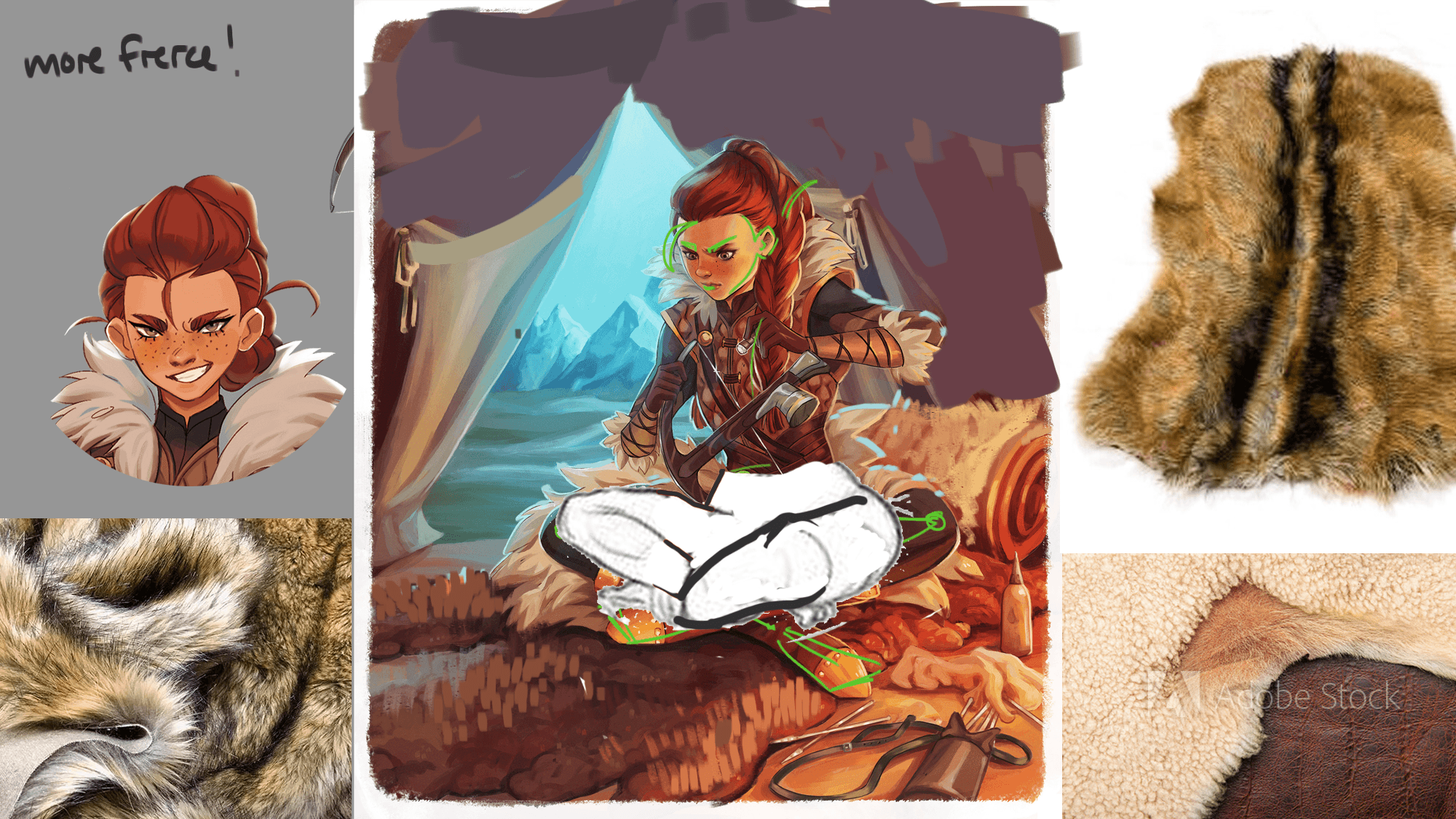
Much of the worldbuilding happened in the spaces between the big decisions: in writing rooms, art reviews, paintovers, and conversations about what a single background detail could tell us about a culture.
I worked closely with our series writers and Art Director to push the worldbuilding in every illustration and sentence. Painting over environments, correcting perspective, brainstorming visual details, rewriting copy, and asking what each element could reveal about the people and places of Xadia.
Our Art Director Tim Kaminski and I were constantly cross-referencing established maps and lore to fit my goal of keeping the world geographically and narratively consistent, while also looking ahead to our in-development upcoming seasons and the Xadia video game. When opportunities emerged to connect the three projects, I helped identify characters, locations, and details we could plant in Tales of Xadia that would become meaningful elsewhere in the franchise.
"When we were developing Ponmalar, one of the artists shared a concept for a massive bow for their weapon. Looking at the bow design and taking into account Evenere’s swampy environment and more insular community, our internal team discussed how this likely meant Ponmalar’s archery style was going to be sniper-like—where they would be lying in wait for hours for one precise shot vs. rapid firing any given target. So, we suggested increasing Ponmalar’s camouflage. I thought it would be cool if their cloak resembled Ashitaka’s from Princess Mononoke, but made from leaves and other foliage that would blend easily into a dark marshland." - Emily Marzonie (S4 Q&A)




From the screen
to the tabletop.
MAKING XADIA TANGIBLE
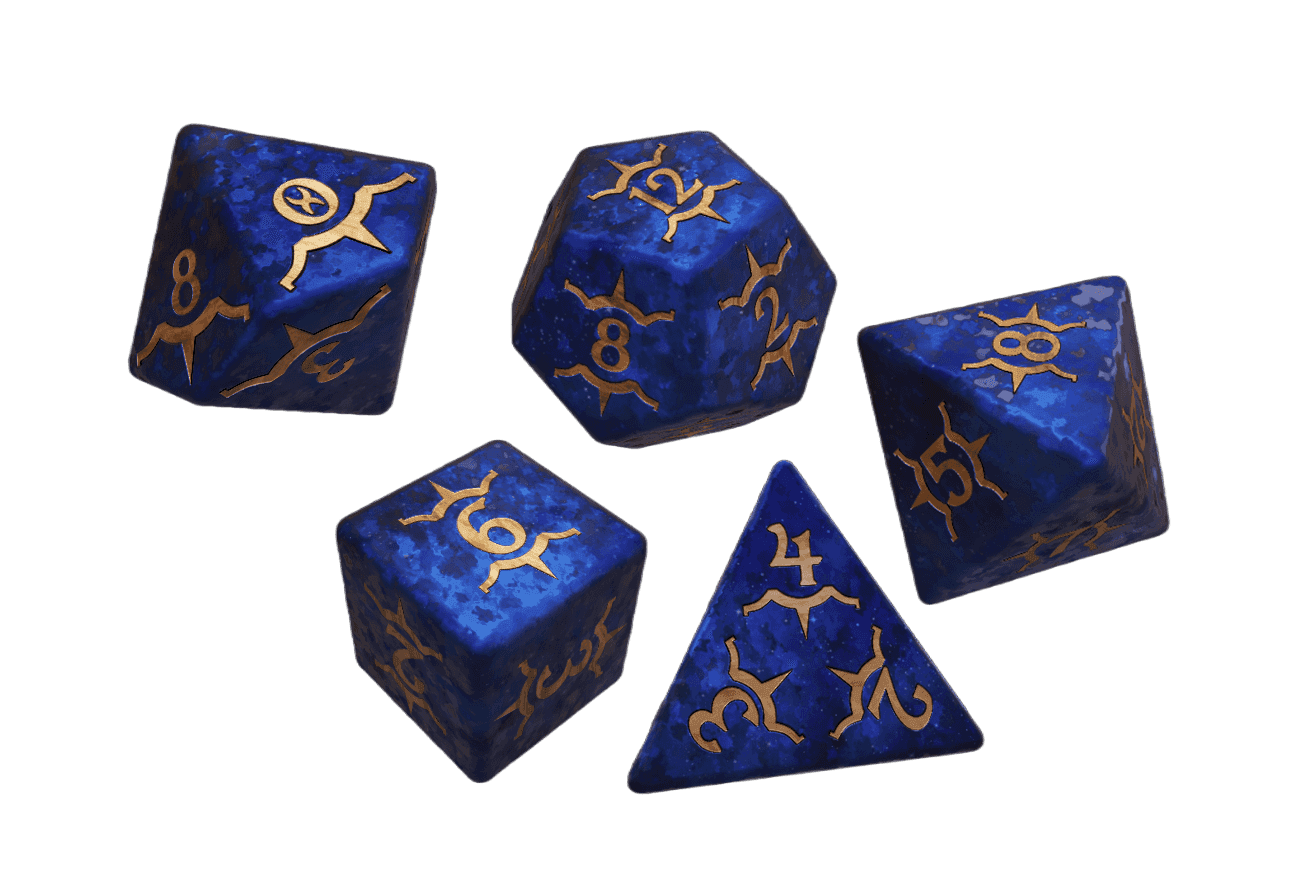
We didn't stop at the game book. Tales of Xadia became an opportunity to build a physical product ecosystem around the world. From dice and accessories to the visual language that brought each piece back to its character and culture.
I worked with creative and external partners to develop products that felt like they belonged in Xadia, carrying the franchise's storytelling and visual identity into something fans could hold, collect, and play with.




As immersive as the game itself.
BUILDING THE CAMPAIGN
Wonderstorm didn't have a traditional marketing budget, so our go-to-market strategies always had to be built around the passion of the people who believed in the project as much as we did. That meant working closely with our partners at Cortex, Fandom and Dire Wolf, finding ways to turn every activation into something worth talking about, and making the community part of the launch rather than simply its audience.
At the start of GTM, I was also managing The Dragon Prince's official social channels, giving me a direct way to build anticipation for Tales of Xadia. I created GIFs, reaction images, character-reveal assets, and other social-first content designed to make each new piece of the world feel like an event.
OUR APPROACH
Marketing without a marketing budget.
CREATE
EXCLUSIVE
EXPERIENCES
Give fans something they can only discover by participating
TURN AUDIENCES INTO PARTICIPANTS
Connect marketing, community, events and fandom.
EVERY REVEAL IS AN EVENT
Turn characters, lore and activations into social moments
DESIGNED FOR THE FEED
Build social first creative systems, not resized campaign assets
BUILD FANDOM INTO THE CAMPAIGN
Partner with passionate partners, communities, and creators.


Give fandom something to play with.
Extend the experience.
A system built for the feed.
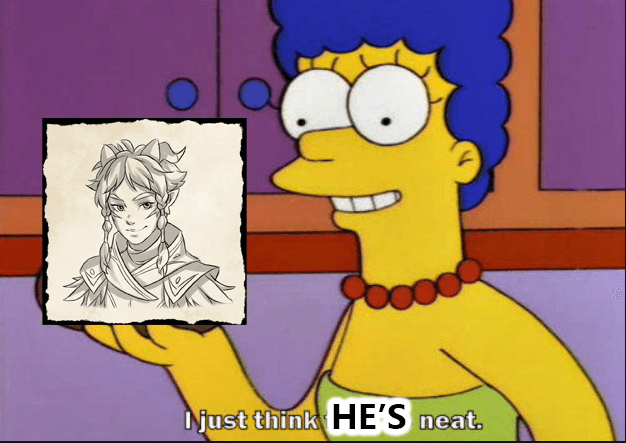
I pushed for outfit layering and turnaround references for new characters so cosplayers and artists could immediately start creating with them. We looked for connections between new Tales of Xadia characters and familiar faces from The Dragon Prince, giving longtime fans an immediate reason to care about someone they'd never seen before.
For events like PAX Unplugged, we didn't want to simply show up and promote the game. We built unique stories, products, and experiences around the event itself. Attendees could discover a new piece of the world through a story created specifically for the convention—giving them something they couldn't get anywhere else.
The goal was to make participation feel like being let in on another piece of Xadia.
I was involved from strategy through execution, including the visual systems behind our earliest social assets. The Dragon Prince has always been a social first series, making it's official accounts the Source of Truth for anything and everything. Drawing on my graphic design and marketing background, I developed a hierarchy grid to establish how information should be prioritized and composed for social, making sure each asset could communicate clearly and attract attention in a fast-moving feed.
MAKE FANS WANT TO MAKE SOMETHING
MAKE THE ACTIVATION THE CONTENT
DESIGN FOR THE PLATFORM
IMPACT
2021 Silver ENNIE
Best Family Game / Product

Tales of Xadia is considered a must-buy worldbuilding tome even for those not interested in TTRPGs. It is used in fandom discussions for references to this day.
A fandom staple.
THE TEAM
EXTERNAL PARTNERS
GENUINE ENTERTAINMENT
EMILY MARZONIE
FRANCHISE LEAD
Tim Kaminski
ART DIRECTOR
DEVON
GIEHL
LEAD WRITER
cortex
FANDOM
DIREWOLF
GAMES